
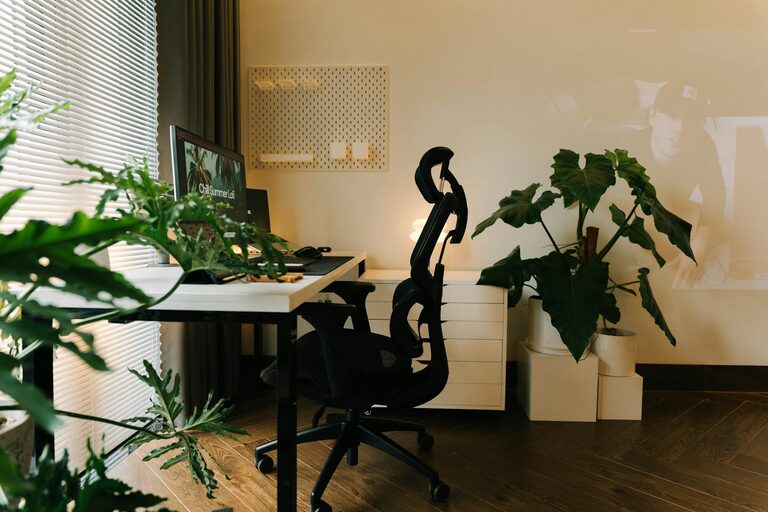
Creating a home workspace that feels relaxing yet energising can significantly improve your productivity and overall well-being. When working from home, the right environment helps keep distractions at bay and makes long hours more comfortable. Whether you have a dedicated office or a cosy corner, thoughtful design can transform your space into a productivity haven.
In this post, we’ll explore practical tips to create a relaxing home workspace that supports focus, reduces stress, and invites comfort.
Choose the Right Spot
Your workspace location plays a huge role in how productive and relaxed you feel.
– Find natural light: Choose a spot near a window if possible. Natural daylight boosts mood and alertness.
– Avoid distractions: Work in a quiet area away from high-traffic zones like the kitchen or living room.
– Consider privacy: If family or housemates share your space, look for a spot where you won’t be interrupted frequently.
Even a small nook can work well if it’s calm and clutter-free.
Invest in Comfortable, Ergonomic Furniture
Comfort is key when spending hours at your desk. Ergonomic furniture helps maintain good posture and prevent aches.
– Choose a supportive chair: Your chair should support your lower back and be adjustable in height.
– Desk height matters: Ensure your desk allows your elbows to rest at about 90 degrees.
– Consider footrests and monitor stands: These can improve posture and reduce strain.
A comfortable setup helps you focus without discomfort interrupting your workflow.
Use Calming Colours and Decor
Colours impact mood and energy levels. For a relaxing workspace, opt for soft, calming hues.
– Soft blues, greens, or neutrals: These shades create a tranquil environment.
– Minimalist decor: Keep decorations simple to avoid visual clutter.
– Personal touches: Add plants, photos, or artwork that make you smile, but keep it tidy.
Avoid overly bright or harsh colours that can cause eye strain or distraction.
Keep Your Workspace Organised
Clutter is distracting and stressful. A neat space fosters a clear mind and helps you stay productive.
– Use storage solutions: Shelves, drawers, and organisers keep papers and supplies out of sight.
– Daily tidying routine: Spend a few minutes each day clearing your desk to maintain order.
– Cable management: Use clips or boxes to keep cords neat and prevent tangles.
An organised workspace means less time searching for items and more time focusing on your tasks.
Optimise Lighting
Good lighting reduces eye strain and maintains alertness.
– Combine natural and artificial light: Use daylight when available and supplement with high-quality desk lamps.
– Avoid glare: Position screens at right angles to windows and use blinds if necessary.
– Adjust brightness: Choose adjustable lamps so you can set light levels to your preference.
Proper lighting helps maintain productivity while making your space feel welcoming.
Integrate Soothing Elements
Incorporating elements that promote relaxation can make your workspace more inviting.
– Add greenery: Houseplants improve air quality and create a calming atmosphere.
– Use essential oils or candles: Subtle scents can boost mood and reduce stress.
– Soft textiles: Cushions or rugs add warmth and comfort to your space.
These small additions enhance comfort without distracting from work.
Create Boundaries Between Work and Relaxation
Especially when working from home, it can be hard to separate work time from downtime.
– Dedicated workspace: Avoid working from beds or sofas to maintain mental separation.
– Set work hours: Define when your workday starts and ends to prevent burnout.
– Communicate boundaries: Let others at home know your schedule to minimise interruptions.
Clear boundaries encourage focus and help maintain a healthy work-life balance.
Personalise Your Workspace for Motivation
A workspace that reflects your tastes and goals can increase motivation.
– Inspiring quotes or vision boards: Keep reminders of your goals visible.
– Favourite stationery: Using tools you enjoy can make work more pleasant.
– Music or background noise: Play soft music or ambient sounds if they help you concentrate.
Tailoring your environment makes it a place you want to spend time in.
Maintain Good Air Quality and Temperature
Comfort is not just about furniture and lighting; air quality and temperature matter too.
– Ventilate your space: Open windows regularly to circulate fresh air.
– Use air purifiers if needed: They help reduce dust and allergens.
– Set a comfortable temperature: Aim for a room temperature around 20-22°C for optimal comfort.
A fresh, pleasant environment supports alertness and reduces fatigue.
—
By following these tips, you can create a home workspace that feels both relaxing and productive. A well-designed environment doesn’t just look good—it supports your focus, creativity, and comfort throughout the workday. Remember, the best workspace is the one that works for you, so experiment and find what helps you do your best.