
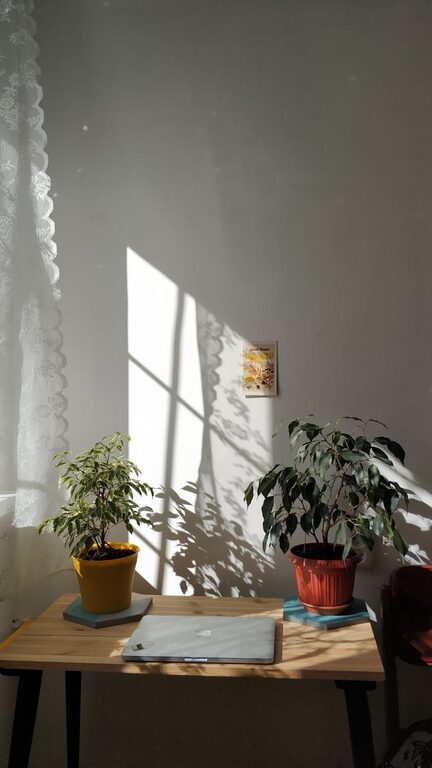
Creating a home workspace that feels both relaxing and productive can greatly enhance your ability to focus and get work done efficiently. With many people spending more time working from home, having a comfortable, well-organised space is essential to maintaining motivation and reducing stress. In this post, we’ll explore practical tips to help you design a home workspace that promotes calmness and boosts your productivity.
Why a Relaxing Workspace Matters
Your environment has a big impact on your mental state and work output. A cluttered, noisy, or uncomfortable workspace can cause distractions and increase stress, while a calm and organised area helps you concentrate and feel more at ease. Designing a relaxing workspace not only supports your work goals but also improves your overall wellbeing.
Choose the Right Location
Consider Natural Light
If possible, place your workspace near a window to benefit from natural light. Sunlight boosts mood and energy levels, helping you stay alert. Adjust blinds or curtains to reduce glare on your screen.
Keep Noise to a Minimum
Select a quiet corner of your home for your workspace. If noise is unavoidable, consider noise-cancelling headphones or a white noise machine to help block distractions.
Invest in Comfortable Furniture
Ergonomic Chair
An ergonomic chair supports your posture and prevents discomfort during long periods of sitting. Look for a chair with adjustable height, good lumbar support, and comfortable cushioning.
Desk Height and Space
Choose a desk that suits your height and provides enough surface area for your computer, paperwork, and other essentials. Keeping your workspace tidy encourages focus.
Organise Your Workspace
Declutter Regularly
A clutter-free desk reduces distractions and creates a sense of calm. Use storage boxes, trays, or shelves to keep items organised and out of the way when not in use.
Use Organisers
Desk organisers, cable tidies, and file holders can help keep your workspace neat. Label files and drawers to make it easy to find what you need quickly.
Personalise Your Space Thoughtfully
Adding personal touches can make your workspace inviting, but be careful not to overdo it. Choose a few meaningful items such as:
– A small plant to bring a touch of nature indoors
– Inspirational quotes or artwork that motivate you
– A favourite mug or desk accessory that makes you smile
Control Lighting and Screen Setup
Avoid Harsh Lighting
Use soft, warm lighting instead of bright fluorescent bulbs to reduce eye strain. A desk lamp with adjustable brightness can help you control lighting based on the task.
Position Screens Correctly
Place your computer screen at eye level and about an arm’s length away. This helps maintain good posture and reduces neck and eye strain.
Manage Your Time and Breaks
Use Timers
Setting timers for work intervals (like the Pomodoro Technique) can boost focus and prevent burnout.
Take Regular Breaks
Short breaks away from your workspace refresh your mind. Stretch, move around, or enjoy a calming activity such as deep breathing for a few minutes.
Incorporate Relaxation Elements
Adding calming elements to your workspace can encourage a relaxed, productive state:
– Plants: Studies show that greenery improves mood and air quality.
– Aromatherapy: Using subtle scents like lavender or eucalyptus can reduce stress.
– Soft Textiles: A cosy throw or cushion can make your chair more comfortable and inviting.
Maintain Good Air Quality
Opening windows occasionally or using an air purifier keeps the air fresh and reduces fatigue. A well-ventilated space supports clear thinking and energy.
Dress for Comfort and Focus
Wearing comfortable clothes can help you feel relaxed and ready to work. When you feel good in what you’re wearing, it can improve your mindset and performance.
Conclusion
Designing a relaxing home workspace is about creating an environment that nurtures focus, comfort, and calm. By paying attention to lighting, organisation, ergonomics, and personal touches, you’ll find it easier to stay productive and enjoy your working day. Take the time to create a space that suits your needs—your work and wellbeing will thank you.
—
We hope these tips help you transform your home workspace into a place where productivity and relaxation go hand in hand. Happy working!