
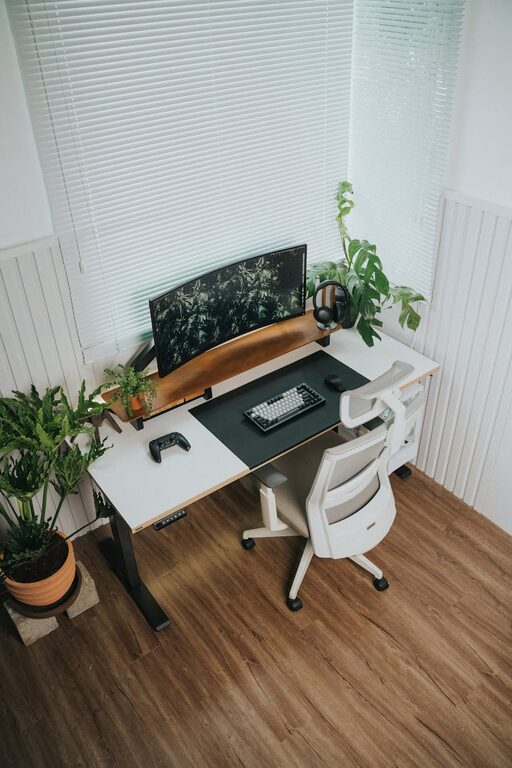
Creating a home office that is both comfortable and productive can make a significant difference in how you work and feel throughout your day. Whether you’re working remotely full-time or just need a dedicated space for occasional tasks, setting up the right environment will help you maintain focus and reduce stress.
In this post, we’ll explore practical tips for turning any corner of your home into an efficient and inviting workspace.
Choose the Right Location
The first step is to pick a spot that works for you. Ideally, choose a quiet area with minimal distractions. If possible, avoid high-traffic zones or places near noisy appliances.
Consider these points when selecting your home office location:
– Natural light: Situate your desk near a window to benefit from daylight, which can improve mood and energy.
– Space: Ensure you have enough room for your equipment and some movement.
– Privacy: A distinct area helps your brain associate the space with work, making it easier to focus.
Invest in Ergonomic Furniture
Comfort is key to maintaining productivity and avoiding aches or injuries. Ergonomic furniture supports good posture and reduces fatigue.
Desk and Chair
– Desk height: Choose a desk that allows your elbows to rest comfortably at 90 degrees when typing.
– Adjustable chair: A chair with adjustable height and lumbar support is important for back health.
– Footrest: If your feet don’t touch the floor when sitting, consider a footrest to improve circulation.
Organisation Accessories
– Use a monitor stand to keep your screen at eye level.
– Employ a keyboard tray to maintain wrist comfort.
– A document holder can help reduce neck strain when referencing papers.
Manage Lighting Effectively
Good lighting prevents eye strain and keeps you alert.
– Natural light: Take advantage of daylight but avoid glare on your screen.
– Task lighting: Use an adjustable desk lamp for focused lighting.
– Ambient lighting: Soft overhead lights create a pleasant atmosphere, avoiding harsh contrasts.
Declutter and Organise
A tidy workspace can improve focus and reduce stress.
– Use organisers such as trays, boxes, or drawers to keep stationery and papers neat.
– Adopt cable management solutions to tidy up wires.
– Regularly sort out and file documents to prevent buildup.
Personalise Your Space
Adding personal touches can make your home office more inviting.
– Incorporate plants: They improve air quality and add a calming presence.
– Hang artwork or photos that inspire you.
– Choose colours that promote concentration, like blues or greens.
Establish Boundaries and Routines
Working from home can blur lines between personal and professional life.
– Set clear working hours to separate work time from leisure.
– Communicate your schedule to household members to minimise interruptions.
– Take regular short breaks to stretch or relax your eyes.
Utilise Technology Wisely
The right tools help you stay connected and organised.
– Use noise-cancelling headphones if background noise is a problem.
– Employ apps for task management and time tracking.
– Keep your router nearby or use wired connections to ensure strong internet signals.
Prioritise Comfort and Wellbeing
Don’t forget your physical and mental health.
– Maintain good posture and adjust seating throughout the day.
– Keep water nearby to stay hydrated.
– Incorporate movement by standing or walking during breaks.
Final Thoughts
Creating a comfortable and productive home office is about combining practical considerations with personal preferences. By paying attention to your environment, comfort, organisation, and habits, you can design a workspace that supports your best work and wellbeing.
Remember, your home office should be a place where you feel motivated and comfortable—a space that encourages productivity without sacrificing relaxation. Start with these tips and customise your setup over time to perfect your ideal working environment.