
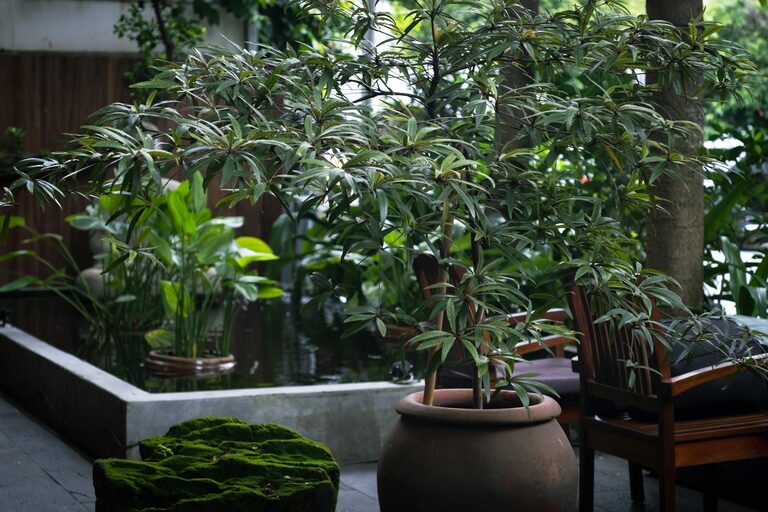
Creating a relaxing home garden space is a wonderful way to bring calm and beauty into your daily life. Whether you have a large garden or just a small balcony, designing a peaceful outdoor area can help reduce stress and provide a perfect spot for unwinding. In this post, we’ll share practical tips to help you create a serene garden that feels like your own private sanctuary.
Why Create a Relaxing Garden Space?
Having a dedicated spot to escape the hustle and bustle of daily life can improve mental wellbeing and encourage mindfulness. Gardens engage multiple senses with the colours of flowers, the scents of herbs, the gentle sound of water, and the feel of soft grass or comfortable seating. A thoughtfully designed garden can also increase your home’s value and appeal.
Choosing the Right Location
Consider Privacy
To make your garden truly relaxing, privacy is key. Avoid placing seating areas too close to the street or neighbours’ windows. Use hedges, trellis panels with climbing plants, or wooden screens to create a sense of enclosure without fully closing the space.
Maximise Natural Light and Shade
A balance of sun and shade makes a garden enjoyable throughout the day. Observe how sunlight moves across your garden and position seating where you can enjoy morning sun and some afternoon shade. Trees and large plants can provide natural shelter.
Selecting Plants for Calm and Beauty
Choose Soothing Colours
Soft, muted colours such as lavender, pale blues, greens, and whites tend to feel more calming than bright, bold hues. Consider plants like lavender, hydrangeas, and white daisies.
Include Fragrant Plants
Scent greatly contributes to relaxation. Herbs like rosemary, mint, and thyme not only smell delightful but can also be used in cooking. Flowers like jasmine and gardenias are well-known for their calming aroma.
Create a Variety of Textures
Mix smooth leaves with feathery grasses and spiky succulents to add visual interest and tactile pleasure. This variety can draw you in and help you connect with nature.
Adding Comfort and Functionality
Comfortable Seating
A comfortable bench, hammock, or cushioned chairs invite you to spend time outdoors. Weather-resistant cushions and throws add extra comfort.
Incorporate Water Features
The gentle sound of flowing water soothes the mind. Small fountains, birdbaths, or ponds attract wildlife and add a tranquil soundscape.
Lighting for Ambience
Soft garden lighting, such as solar-powered lanterns or fairy lights, enables evening use and creates a cosy atmosphere without harsh brightness.
Mindful Garden Layout
Create Defined Zones
Divide your garden into different areas for lounging, dining, or gardening. This helps to organise the space and gives purpose to each section.
Use Natural Materials
Paths and furniture made from natural stone, wood, or gravel blend harmoniously with plants and feel more inviting than artificial alternatives.
Keep Maintenance in Mind
Choose low-maintenance plants and plan your garden to reduce weeding and watering. A low-effort space is more likely to remain a relaxing haven.
Engaging the Senses
Encourage Wildlife
Bird feeders, butterfly-friendly plants, and small insect hotels support local wildlife, making your garden lively and enjoyable.
Play Soft Music or Nature Sounds
Consider discreet outdoor speakers to play relaxation music or nature sounds, enhancing the sense of calm.
Practical Tips for Getting Started
- Sketch your garden design on paper before planting or buying furniture.
- Start small—focus on a single seating area or flower bed and expand gradually.
- Visit local nurseries and garden centres for expert advice.
- Use recycled or repurposed materials to add character and reduce costs.
- Regularly enjoy your garden to discover what improvements make it most relaxing for you.
Conclusion
A relaxing home garden space is achievable with a little planning and attention to details that promote calm. By choosing the right plants, comfortable furniture, and thoughtful design elements, you can create a personal retreat where you can recharge and appreciate nature every day.
We hope these tips inspire you to start your own garden sanctuary soon!