
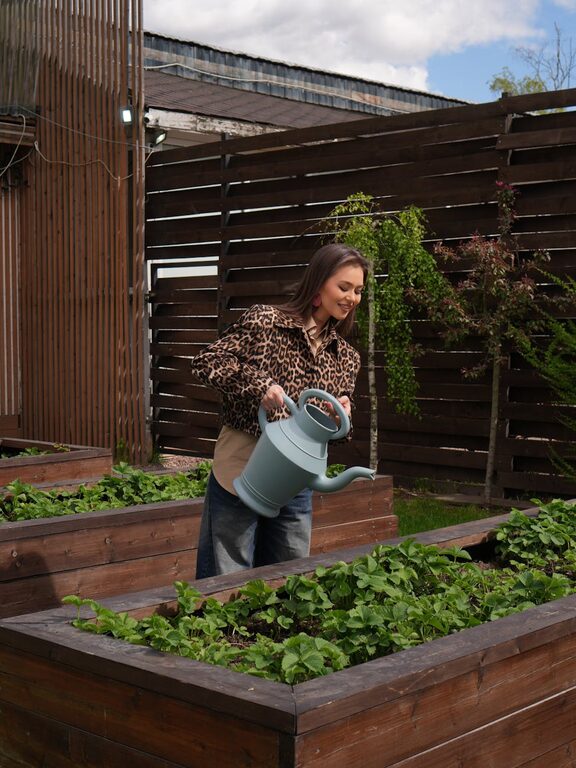
Creating a sustainable garden at home is a rewarding way to connect with nature while reducing your environmental impact. Sustainable gardening focuses on conserving resources, enhancing biodiversity, and nurturing healthy soil. Whether you have a large backyard or a small balcony, there are simple practices you can adopt to make your garden kinder to the planet. This guide offers practical tips to help you create a thriving, eco-friendly garden.
Why Choose a Sustainable Garden?
A sustainable garden promotes long-term health for your plants, local wildlife, and the environment. By adopting eco-friendly gardening methods, you conserve water, reduce waste, and avoid harmful chemicals. This approach also encourages beneficial insects like bees and butterflies, which play a crucial role in pollination.
Planning Your Sustainable Garden
Before planting, take a moment to plan your garden with sustainability in mind.
Assess Your Space and Climate
Understanding your garden’s location, soil type, sunlight, and climate conditions will help you choose suitable plants and design your space efficiently.
Choose Native Plants
Native plants are adapted to your local environment and generally require less water and maintenance. They provide important habitats and food sources for native wildlife.
Include a Variety of Plants
Diversity in your garden helps prevent pests and diseases and supports a wide range of insects and animals. Mix flowers, shrubs, vegetables, and herbs for a balanced ecosystem.
Water Wisely
Water conservation is key to a sustainable garden.
Collect Rainwater
Setting up rain barrels to capture rainwater can reduce reliance on mains water. Use this stored water to irrigate your plants, especially during dry spells.
Water in the Early Morning or Evening
Watering during cooler parts of the day reduces evaporation, ensuring more water reaches your plants’ roots.
Mulch Your Beds
Applying mulch, such as bark chips or straw, helps retain moisture in the soil, suppresses weeds, and improves soil quality.
Improve Your Soil Naturally
Healthy soil is the foundation of a sustainable garden.
Compost Kitchen and Garden Waste
Composting reduces waste sent to landfill and produces nutrient-rich soil for your plants. Add kitchen scraps, leaves, grass clippings, and small garden trimmings to your compost bin.
Avoid Synthetic Fertilisers
Use organic fertilisers or homemade compost to nourish your soil without harmful chemicals.
Practice Crop Rotation
If you grow vegetables, rotate crops each season to maintain soil fertility and reduce pest build-up.
Encourage Wildlife
A sustainable garden supports local wildlife which contributes to natural pest control and pollination.
Provide Shelter
Incorporate features such as birdhouses, log piles, or dense shrubs to offer homes for insects, birds, and small mammals.
Avoid Pesticides
Pesticides can harm beneficial insects. Instead, encourage natural predators like ladybirds and spiders to keep pest populations under control.
Plant Pollinator-Friendly Flowers
Choose plants that produce nectar and pollen to attract bees and butterflies, which are vital for many plants’ reproduction.
Use Sustainable Materials
Be mindful of the materials you use for garden structures and tools.
Choose Recycled or Local Materials
Using reclaimed wood, recycled pots, or stones from nearby sources reduces environmental impact and supports local businesses.
Opt for Durable Tools
Invest in quality gardening tools that last longer and can be repaired, reducing waste.
Save Energy and Reduce Waste
Small changes in your daily gardening habits can make a big difference.
Hand Water and Weed
Reducing the use of powered tools like lawnmowers or weed trimmers lowers energy consumption.
Reuse and Repurpose
Use old containers for planting, or create garden decorations from recycled items.
Plan for Less Lawn
Lawns often require a lot of water, fertiliser, and mowing. Consider replacing some grass areas with wildflower meadows or ground-cover plants to promote biodiversity.
Final Thoughts
Creating a sustainable garden at home doesn’t need to be complicated or expensive. By working with nature and adopting eco-friendly habits, you can nurture a beautiful garden that benefits you and the environment. Start small, observe how your garden evolves, and enjoy the process of growing a greener future.