
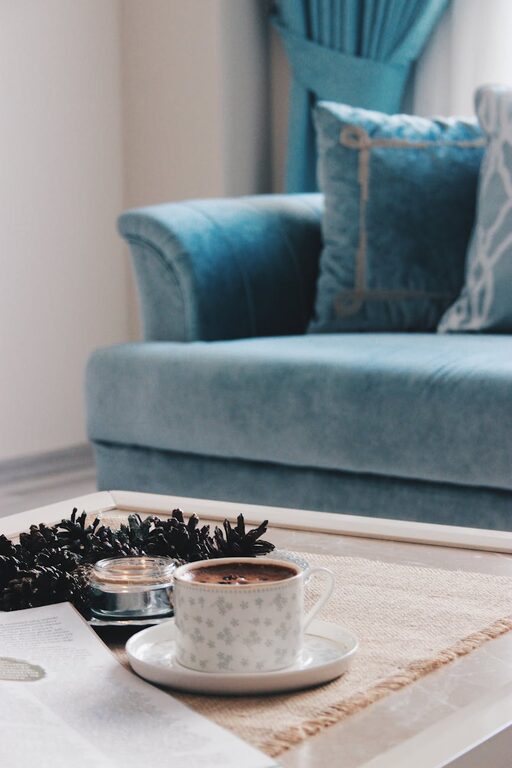
Creating a cosy and inviting living room is a wonderful way to make your home feel warm and welcoming. Whether you’re looking to unwind after a busy day or entertain friends and family, a thoughtfully designed living space can enhance your comfort and mood. Here are some practical tips to help you design a living room that invites relaxation and connection.
1. Choose Warm and Soothing Colours
The colours you use in your living room can have a big impact on the mood. Warm, soft tones like beige, cream, warm grey, muted greens, or soft blues can create a peaceful atmosphere. Avoid overly bright or stark colours, as they can feel less inviting.
Tips for colour selection:
– Use natural wall colours that reflect natural light well.
– Add colourful cushions or throws in deeper shades for contrast.
– Consider paint or wallpaper with subtle textures to add interest.
2. Embrace Comfortable Seating
A cosy living room centres around comfortable, inviting seating. Think beyond just the sofa and consider adding armchairs, ottomans, or even soft floor cushions.
Seating ideas to consider:
– Choose plush cushions and soft fabrics like velvet or chenille.
– Position seating to encourage conversation, such as facing chairs or sofas arranged in a U-shape.
– Don’t forget a good-quality rug to soften the floor underfoot and add warmth.
3. Layer Your Lighting
Lighting plays a key role in setting the atmosphere. Layering different types of light helps you control the ambiance depending on the time of day or activity.
Lighting layers to include:
– Ambient lighting from ceiling fixtures or wall lights for general illumination.
– Task lighting like table lamps or floor lamps for reading.
– Accent lighting such as candles or fairy lights to add a magical touch.
Dimmers are also very helpful, allowing you to adjust brightness and create a snug mood in the evenings.
4. Use Textures to Add Depth
Mixing textures adds tactile interest and makes your living room feel more inviting. Combining smooth, rough, soft, and shiny surfaces creates a balanced and cosy environment.
Ways to incorporate textures:
– Soft wool, faux fur, or knitted throws draped over sofas.
– Woven baskets or rattan furniture pieces.
– Wooden coffee tables or shelves for natural warmth.
– Cushions in varied fabrics like linen, suede, or corduroy.
5. Display Personal Touches and Memories
Adding elements that reflect your personality turns your living room from a generic space into a heartfelt one. Personal touches can include photographs, collectibles, artwork, or books.
How to add personal style:
– Create a gallery wall with framed family photos or art prints.
– Showcase favourite books or travel souvenirs on shelves.
– Include handmade items or objects with sentimental value.
These details invite visitors to learn more about you and spark conversation.
6. Bring Nature Inside
Biophilic design—the idea of connecting interiors with nature—helps create calm and refreshing environments. Adding plants can purify the air and add a fresh look to your living room.
Tips for bringing nature in:
– Choose easy-care indoor plants such as snake plants, pothos, or spider plants.
– Place plants of different sizes on windowsills, shelves, or in corners.
– Consider a small herb garden or flowers to add colour and scent.
Natural materials for furniture and accessories can also increase this sense of connection with the outdoors.
7. Declutter and Organise
A tidy room helps create a relaxed atmosphere. Too many items or clutter can make a space feel chaotic and stressful.
Organising tips:
– Use storage solutions like baskets, ottomans with hidden compartments, or shelves with boxes.
– Keep frequently used items within easy reach, but store away less-used clutter.
– Maintain surfaces like coffee tables and sideboards clear except for a few decorative touches.
Regularly decluttering helps keep your living room feeling calm and inviting.
8. Add Soft Furnishings Thoughtfully
Soft furnishings like cushions, rugs, and curtains enhance cosiness and contribute to sound absorption, making the room quieter and more relaxing.
Suggestions:
– Layer a few cushions with different sizes and patterns on sofas or chairs.
– Use thick curtains to frame windows and keep warmth inside during colder months.
– Place rugs suited to the room’s size—these define seating areas and add softness underfoot.
Changing cushions and throws seasonally can refresh your room’s feel and keep it inviting all year.
Conclusion
Creating a cosy and inviting living room space is all about comfortable seating, warm colours, layered lighting, and personal touches. By focusing on textures, natural elements, and careful organisation, you can design a space where everyone feels relaxed and at home. With a few simple changes, your living room can become your favourite retreat and a welcoming place for guests.
Remember, the most important thing is that your living room reflects your style and supports your lifestyle. Enjoy styling your cosy haven!